It’s easy to look back at the original NYC punk scene and conjure images of leather jackets, safety pins, and stained Bowery asphalt. But in the original CBGB scene of the mid-to-late ’70s, the sounds and styles were literally all over the map. It was an artistic sanctuary of radical orphans, outcasts, and outsiders. Everyone from street-level minimalists to art-school instigators to aggro acoustic lyricists shared the same beer-soaked stage. What bonded these seemingly disparate artists wasn’t a leather-jacket dress code, but an uncompromising commitment to raw authenticity and doing things on their own terms.
A killer clutch of recent reissues and releases brings that foundational era back into sharp focus. Together, they trace three distinct pillars of late-seventies New York artistic rebellion: the raw punk blueprint of the Ramones, the innovative rhythmic expression of Tom Tom Club, and the sharp-witted acoustic angst of The Roches.
Ramones: The Spirit of ’76 (and Beyond)
No conversation about the spark that ignited global punk happens without mentioning Forest Hills’ finest. Commemorating the golden 50th milestone of punk’s inaugural year, Rhino Records’ “Spirit of ’76” campaign has delivered a vinyl celebration of Joey, Johnny, Dee Dee, and Tommy at the peak of their powers.
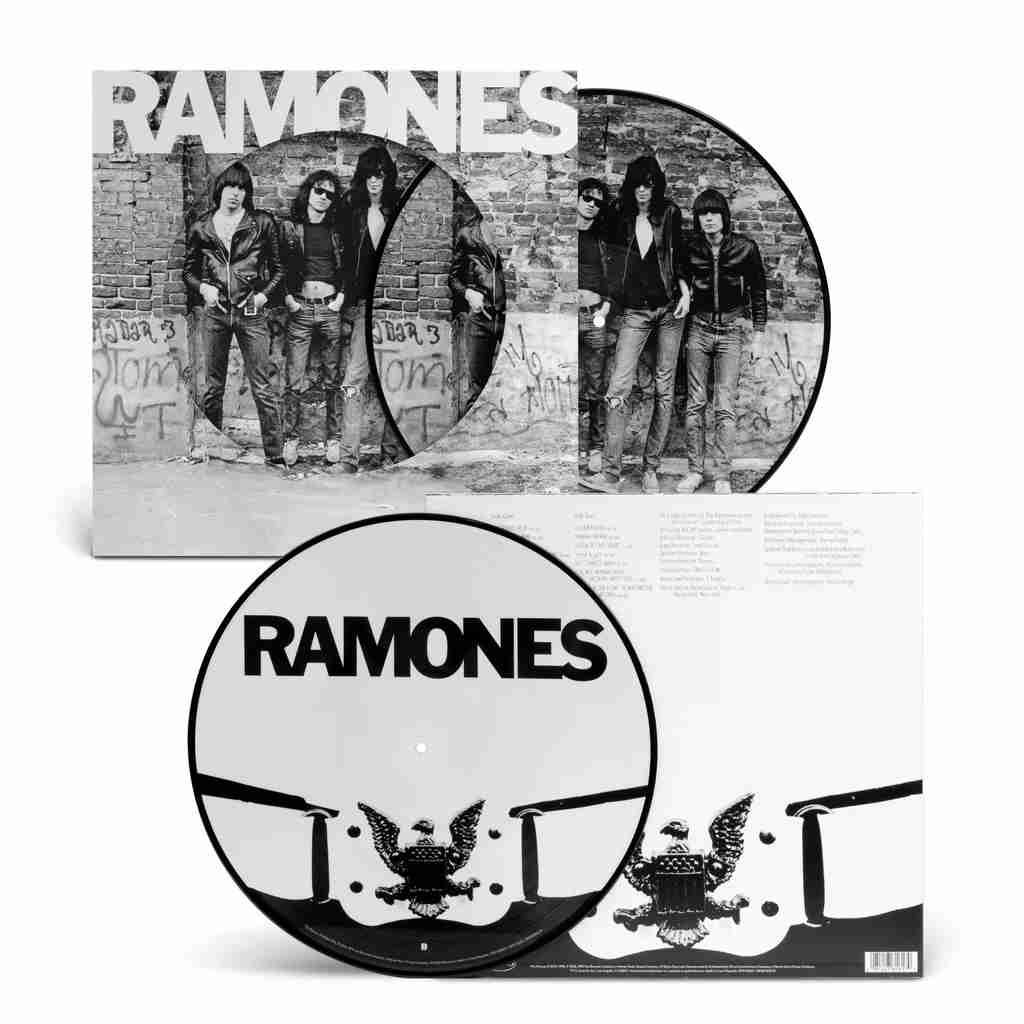
First up is the Ramones 50th Anniversary Picture Disc, which gives the band’s landmark 1976 self-titled debut a new visual format. Framed by a die-cut outer sleeve that showcases Roberta Bayley’s iconic black-and-white brick-wall portrait, a drop of the needle unleashes 29 minutes of pure punk speed. From the chain-gang refrain “Hey, Ho, Let’s Go!” of “Blitzkrieg Bop” to the bubblegum satire of “Today Your Love, Tomorrow the World,” the album sounds as jarring and sharp today as it did decades ago. The picture disc pressing, which can be noisy or flat-sounding in many cases, is surprisingly quiet, letting Tommy’s metronomic snare cracks and Johnny’s buzzsaw chords hit with direct punch.
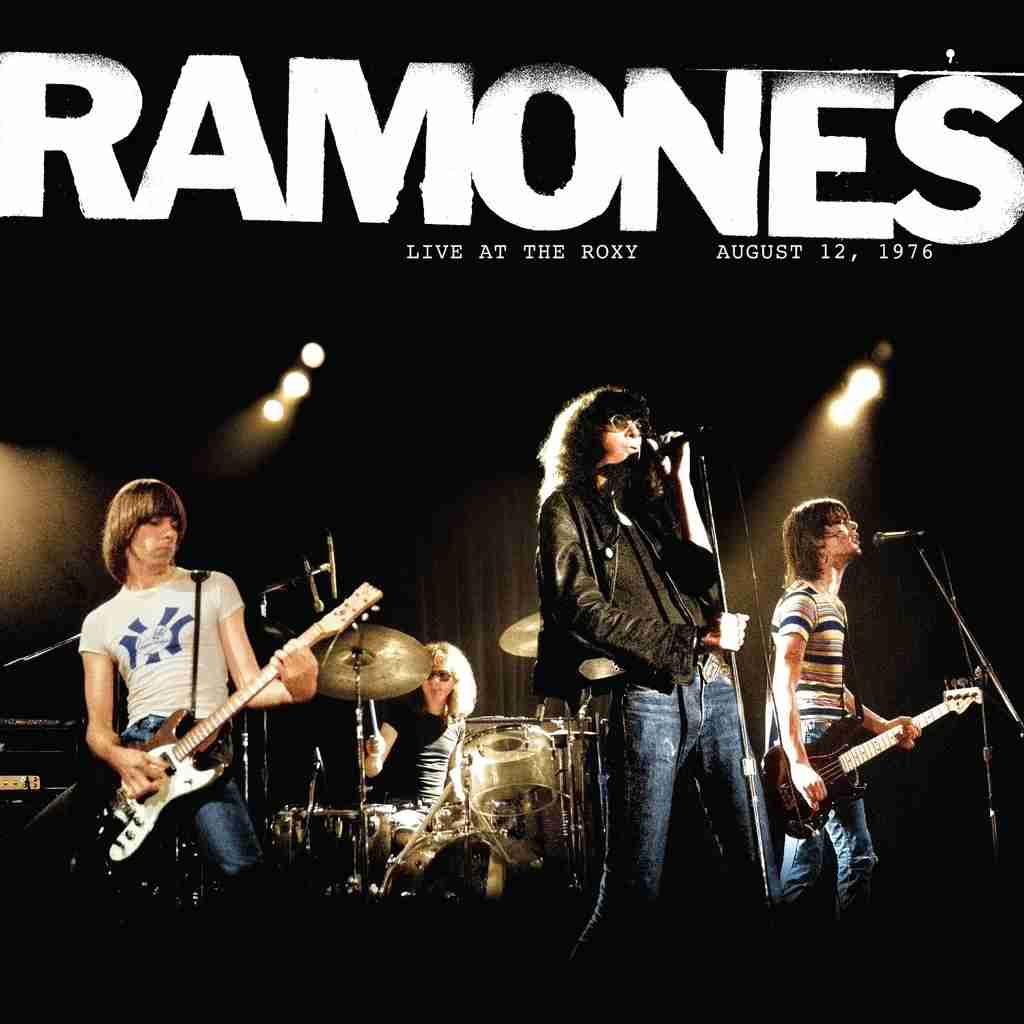
For collectors and fans, the new Live at The Roxy 1976 double album set is a major standout. Collecting the band’s West Coast debut on August 12, 1976, this 140-gram translucent colored vinyl marks the first time both complete Roxy live sets have been pressed as a single release. Touring behind the debut, the band tore through LA like a freight train through plate glass, delivering blazing versions of “Loudmouth,” “Havana Affair,” and “Judy Is a Punk” to early West Coast fans and baffled pedestrians. The audio here is lean, live-to-two-track, and crackling with energy, showcasing a band that operated without breathers, guitar solos, or studio overdubs.
Fast-forwarding to their late-era resurgence, another recent release is a vivid red-wax “Pet Sematary” 12-inch single. Originally cut for the 1989 Stephen King film adaptation and later featured on the band’s Brain Drain album, the track showed that even as the band embraced the slicker late-80s production approach, Dee Dee’s macabre humor and Joey’s twisted croon could still generate an infectious, radio-driven earworm, even in their second decade.
Tom Tom Club: Born from Punk, Built for the Groove
While the Ramones laid down the minimalist, primal punk blueprint at CBGB, Talking Heads rhythm section Tina Weymouth and Chris Frantz proved that radical creative instinct could also get people onto the dance floor. When internal friction within Talking Heads put the band on ice in late 1980, the husband-and-wife duo headed over to Compass Point Studios in Nassau, Bahamas, teaming up with house engineer Steven Stanley to form Tom Tom Club.
Rather than sinking into the now-standard post-punk gloom or art-rock pretensions, Weymouth and Frantz absorbed dub, electro-funk, Caribbean bounce, and early hip-hop breakbeats. Instead of driving down a straight four-on-the-floor rock line, they took the early NYC avant-punk philosophy and injected it with fluid grooves.
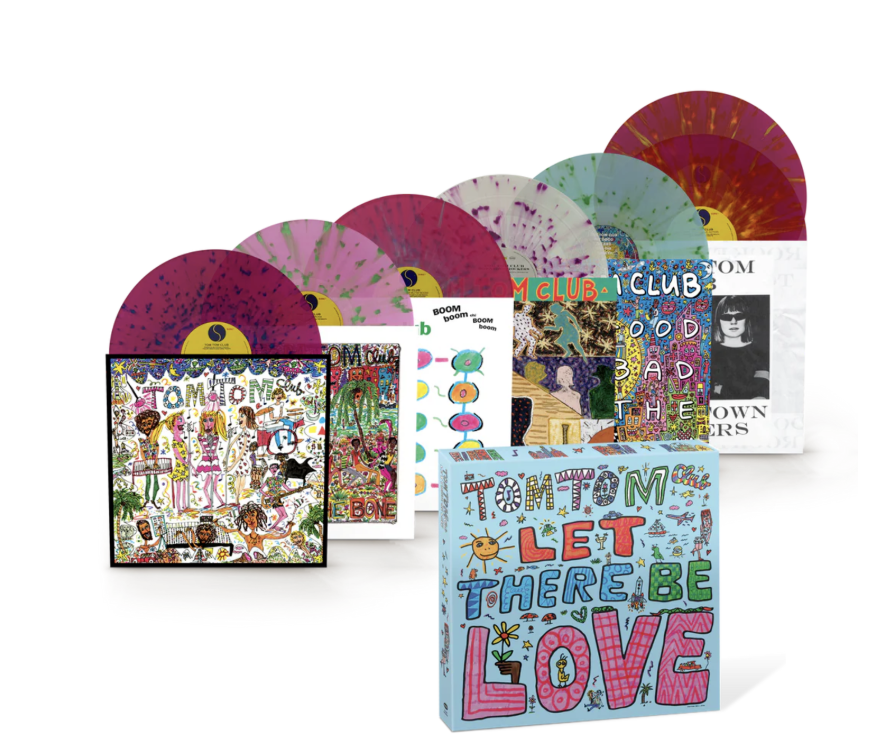
Rhino’s massive new career-spanning box set Let There Be Love (available in both 7-LP and 6-CD versions) pulls together the duo’s full catalog alongside rare remixes, B-sides, and live material. Anchored by their landmark 1981 self-titled debut, the set showcases tracks that reshaped modern pop. “Wordy Rappinghood” is an early exercise in proto-rap storytelling, while “Genius of Love” stands as one of the most influential rhythm tracks in modern pop history. Powered by Tina’s rubbery, hypnotic bassline and impish vocal delivery, the track transcended alternative rock radio, crossed over to urban charts, and ultimately became the bedrock sample for Grandmaster Flash & the Furious Five’s “It’s Nasty,” and dozens of golden era hip-hop cuts.
 Tom Tom Club
Remastered with crisp sonic clarity and a major bottom end, this set highlights how Weymouth and Frantz’s DIY approach and rhythmic innovations helped dismantle barriers between blossoming global post-punk experimentation and urban dance and DJ culture.
The Roches: Folk-Punk on the Bowery
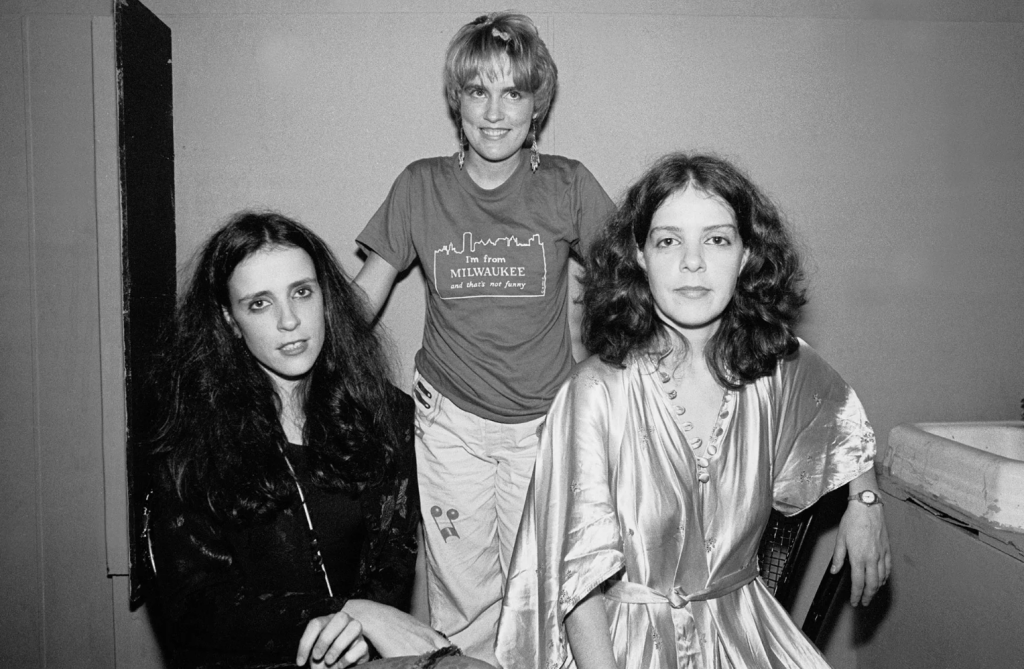
To understand the full breadth of the original CBGBs scene and mythology, you have to look past the bombast and recognize the more subtle but no less deviant acoustic elements. Hailing from Park Ridge, New Jersey, sisters Maggie, Terre, and Suzzy Roche cut their teeth performing in Greenwich Village coffeehouses before finding an unlikely home on the Bowery. CBGB founder Hilly Kristal championed the trio, booking them alongside Television, Patti Smith, and the Dead Boys, where their razor-sharp lyrical irony, asymmetrical harmonies, and deadpan stage banter disarmed crowds. They were folk-punk originals before the term existed: sharp, eccentric, and wholly uncompromising.
The cross-pollination between these scenes was authentic and direct. When The Roches needed a rhythm section to make their acoustic sound punchier on their 1980 sophomore LP, Nurds, they didn’t look to traditional folk session players. Instead, they recruited drummer Jay Dee Daugherty from the Patti Smith Group and bassist Fred Smith from Television, adding more muscle and further punk pedigree to their sound.
 The Roches
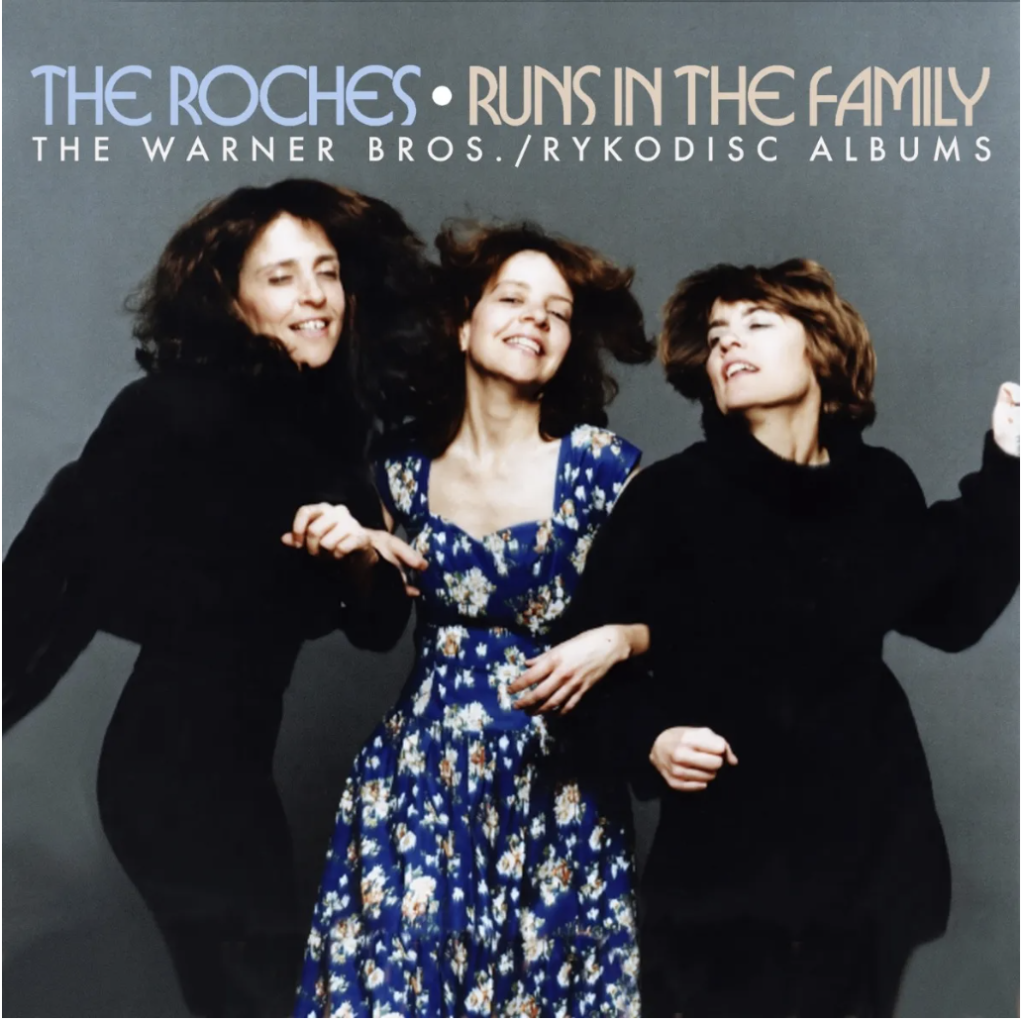
Cherry Red’s new 3-CD box set, Runs in the Family: The Warner Bros. & Rykodisc Albums, collects their celebrated late-70s and 80s recorded output, starting with their landmark 1979 self-titled debut produced by King Crimson guitarist and new wave pioneer Robert Fripp. Using what Fripp called “audio verité,” the record strips away conventional folk polish to highlight the sisters’ voices in raw, direct clarity.
Songs like “We,” an autobiographical number of sorts, and the heavy, five-minute epic “The Hammond Song” (featuring Fripp’s searing guitar solo) sound as bold and emotionally naked today as they did four decades ago. Across follow-up albums like Nurds and Keep On Doing, the sisters tackled heartbreak, anxiety, and family ties with biting humor and killer harmonies.
Redefining the DNA of Punk
If the Ramones defined punk’s initial shock wave, the rest of this batch charts the possibilities it set in motion. Together, these show what happened when that initial downtown scene collided with the dance floor, the coffeehouse, and everything in between. Now, some 50 years on, that Bowery lineage still has staying power, proving the original blueprint had plenty of room to move and evolve.
If you have questions, comments, or something you’d like to see, drop me a note.