It’s easy to treat classic psychedelic pop and jangle-rock like museum artifacts, carefully locked away until wheeled out for 50th-anniversary box sets. But rock music was never meant to live solely in the rearview mirror. The warm analog saturation, chiming guitars, and kaleidoscopic vocal arrangements born in the mid-to-late 1960s aren’t outdated traditions, but vital elements passed down throughout the generations.
When executed with genuine reverence for analog tape and illuminated tubes, the bridge between vintage originators and modern practitioners becomes seamless. Spanning four distinct eras, this clutch of recent releases showcases how the melodic undercurrent connecting late-’60s garage-psych, ’80s power pop, ’90s alternative, and modern roots-rock is still alive and well.
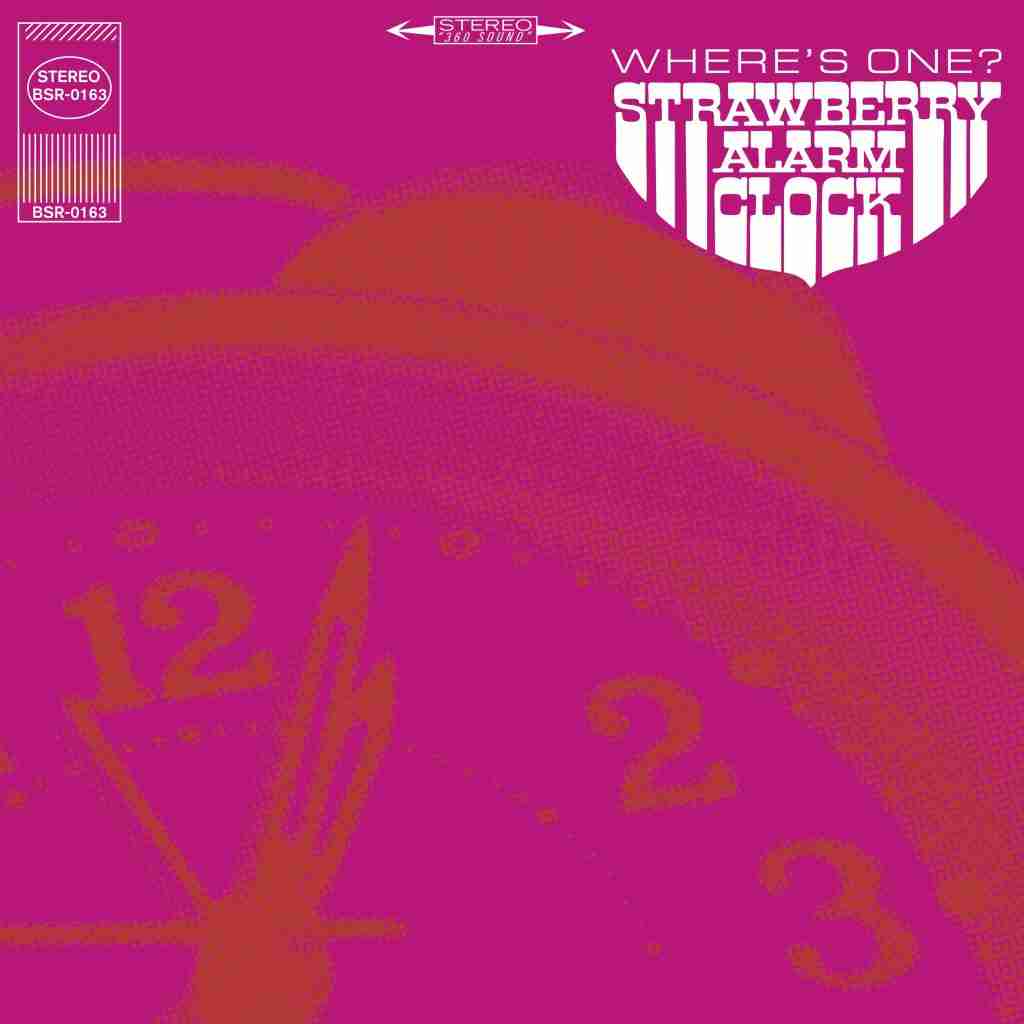
The 1960s: Strawberry Alarm Clock – Where’s One?
The Legacy: Any serious conversation about West Coast psychedelia inevitably circles back to the neon-drenched mythology of the Sunset Strip. While Strawberry Alarm Clock etched their name into pop-culture history with the fuzz-organ hook of 1967’s inimitable “Incense and Peppermints,” their catalog always boasted far more adventurous, jazz-infused baroque-pop chops than one-hit retrospective comps may suggest.
The Review: Returning with a collection of all-new studio material, the band proves their core instincts remain surprisingly intact. While original guitarists Ed King and Lee Freeman have both passed on, Where’s One? reunites the band’s surviving classic late-’60s core: Mark Weitz, Randy Seol, George Bunnell, and Gene Gunnels, alongside flute/guitar contributor Steve Bartek (later of Oingo Boingo fame) and longtime lead guitarist Howie Anderson. The result is still trippy, inexplicably odd, but utterly compelling. It sidesteps sterile modern polish in favor of eccentric arrangements, warm analog organ sweeps, and intricate vocal stacks. From the sunshine glow of “Feel The Love” to the spooky infectious weirdness of the “Monsters,” it’s a veteran psych outfit delivering an authentically strange and captivating studio trip. (Big Stir Records)
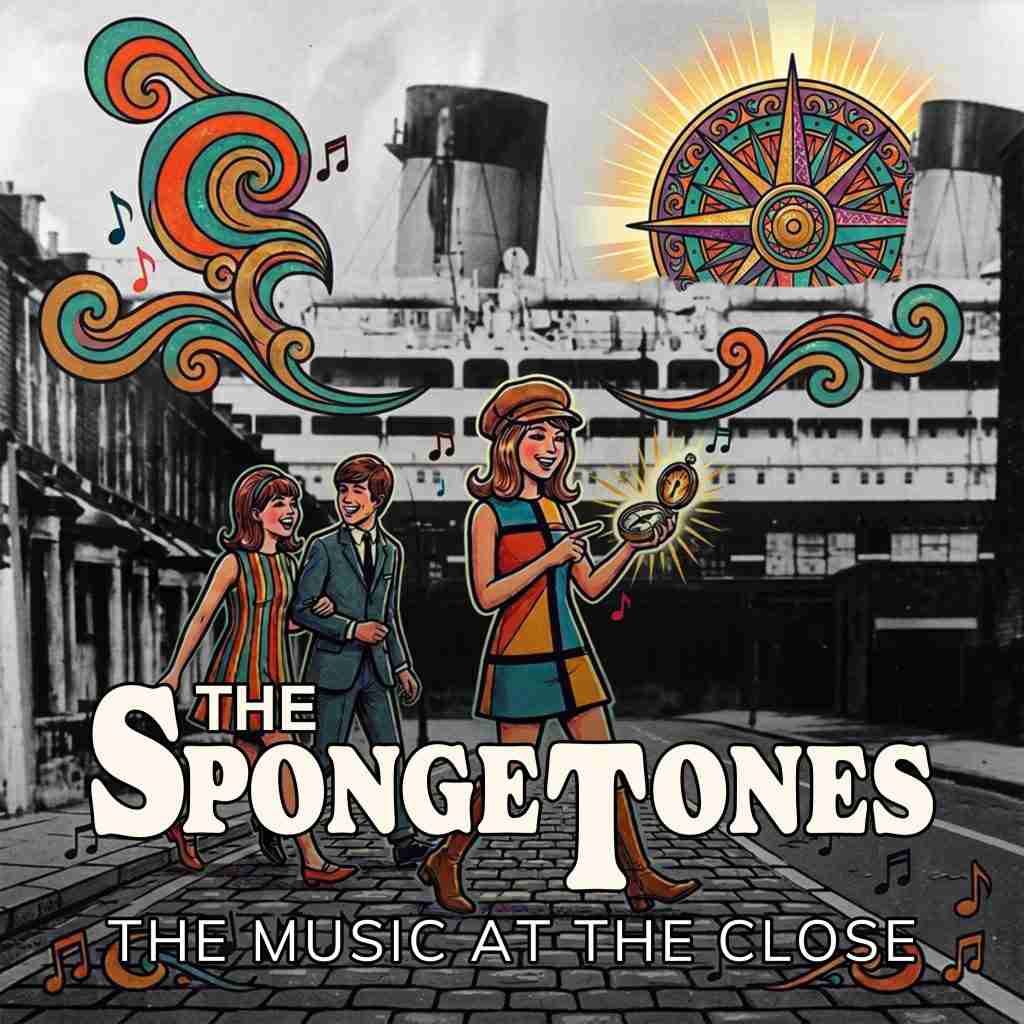
The 1980s: The Spongetones – 2026 Singles
The Legacy: Hitting the scene in the early 1980s, North Carolina’s The Spongetones married British Invasion melodicism with modern post-punk polish. Across four decades, Jamie Hoover, Steve Stoeckel, and Pat Walters, along with later drummer Eric Willhelm, have kept the flame lit with crisp jangly guitars and multi-level vocal arrangements.
The Review: Their ongoing 2026 singles series via Big Stir Records proves the band’s melodic shorthand hasn’t dulled with time. The latest track, “The Music At The Close,” leans heavily into their Beatle-esque wheelhouse, but with a moody, introspective feel. Kicking off with a somber acoustic riff, the song gradually blossoms into layered, slightly Zombies-esque vocal counterpoints, subtle Spanish guitar accents, and heavy organ punctuation. It captures that timeless British Invasion architecture in under three minutes, demonstrating how seamless classic pop-flavored hooks feel in their hands. (Big Stir Records)
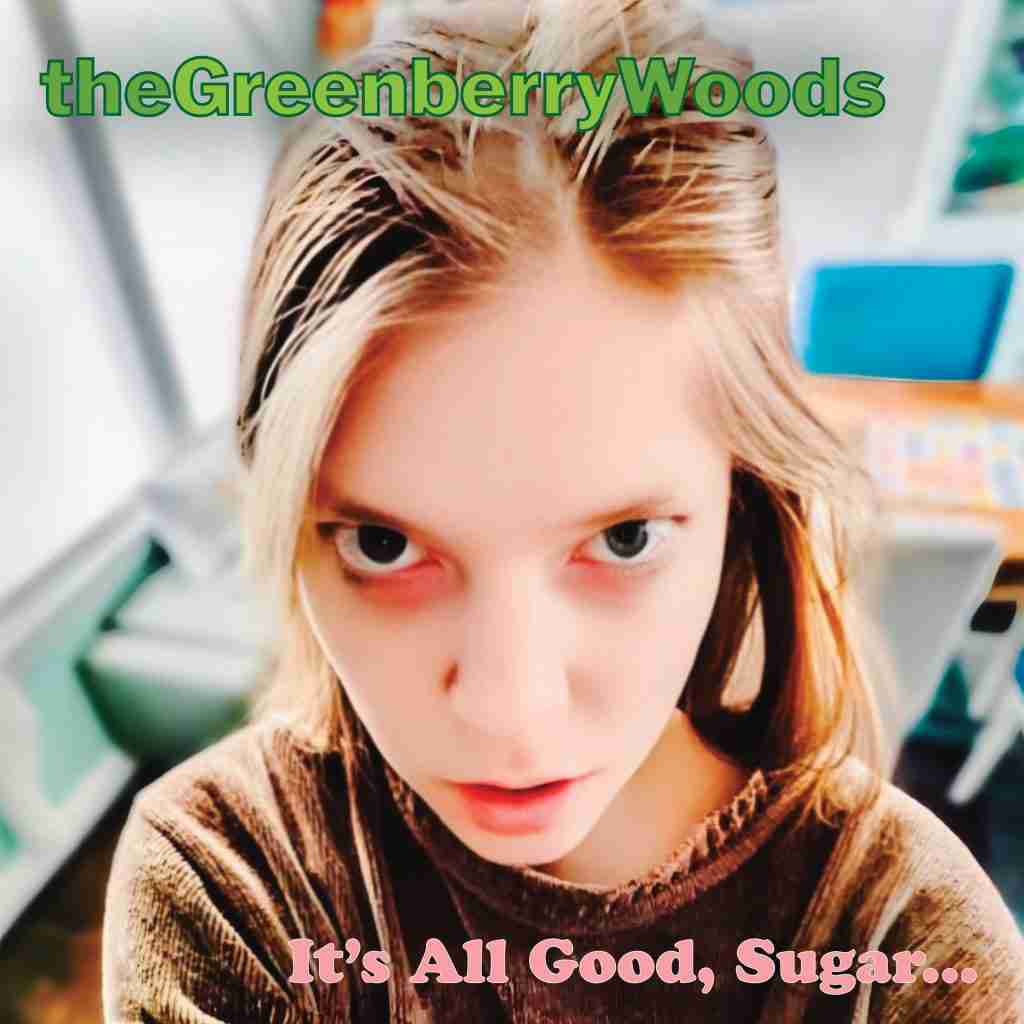
The 1990s: The Greenberry Woods – It’s All Good, Sugar…
The Legacy: In the thick of the mid-’90s alt-rock explosion, Baltimore’s The Greenberry Woods stood out on Sire Records by trading grunge angst for razor-sharp guitar pop. Led by twin brothers Matt and Brandt Huseman, their cult classics Rapple Dapple and Big Money Dream bridged the gap between Big Star melody and Replacements rumble before evolving into power-pop stalwarts Splitsville.
The Review: Arriving three decades after their major-label heyday, It’s All Good, Sugar… sees the Huseman twins reemerge with a dynamic, triumphant return. The record kicks off with bright, effervescent indie pop before the second half shifts gears into high-octane classic power pop. Style-wise, the album bridges the gap between the ringing hooks of Matthew Sweet, especially on the driving pop track “All I Want Is You,” which recalls the Dusty Springfield/Bay City Rollers/Tourists’ hit “I Only Want To Be With You,” and the cynical, punchy melodic bite of early Elvis Costello and The Attractions, as heard in “That Girl.” The brother harmonies are as tight as ever, the rhythm section snaps, and the transition from breezy pop to crunchy hooks makes the reunion a major win. (Big Stir Records)
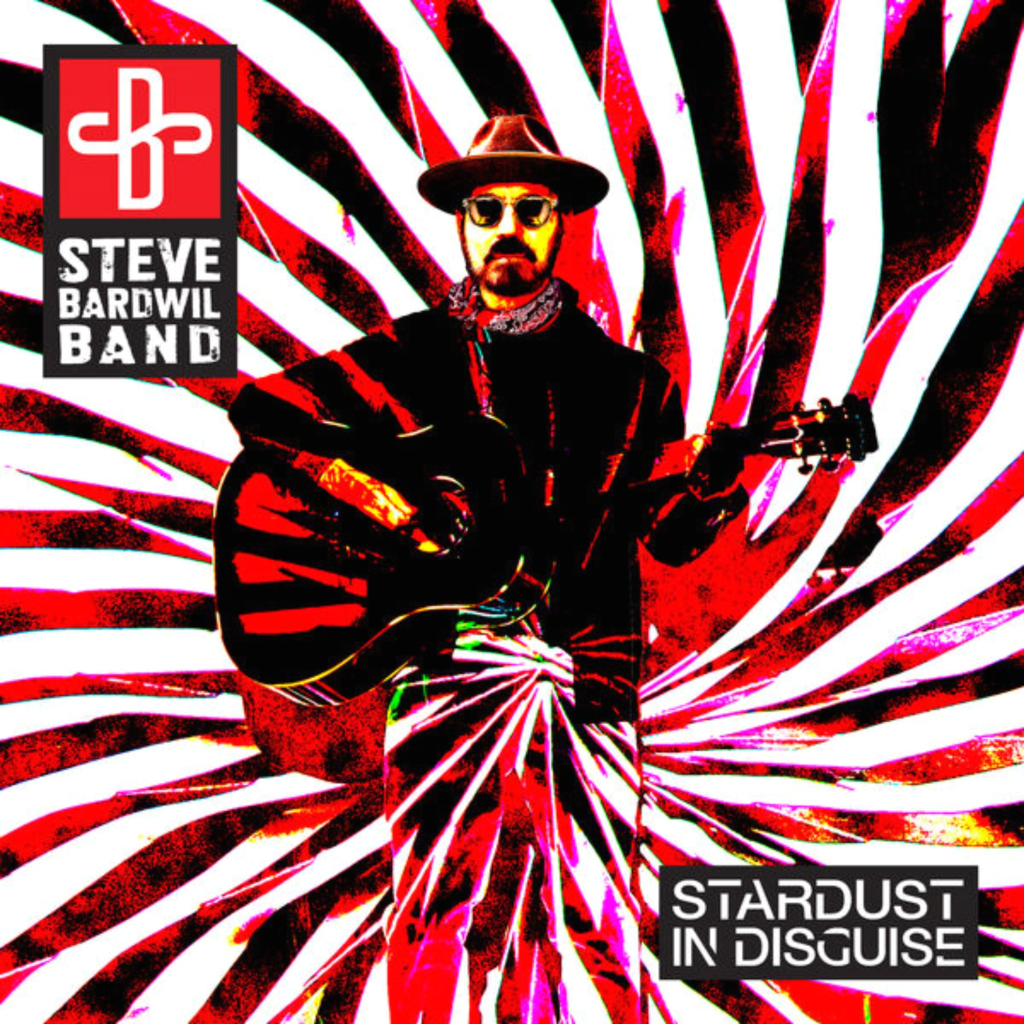
The 2020s: Steve Bardwil Band – Stardust in Disguise
The Legacy: Carrying the vintage lineage into the current landscape, Southern California singer-songwriter Steve Bardwil builds a modern bridge back to mid-’70s analog warmth, Laurel Canyon vibes, and quirky power pop hooks.
The Review: Tracked at the historic EastWest Studios with award-winning producer Joe Chiccarelli, Stardust in Disguise avoids modern digital trappings in favor of an expansive organic sound. Style-wise, Bardwil’s delivery calls to mind a rootsier, acoustic-leaning Nick Lowe, meshed with power-pop/indie rock merchants The dB’s, blending sharp, character-driven lyrical prose with a slightly idiosyncratic delivery. There’s also a bit of ‘60s garage in the mix, with the track “Falling For Forever” recalling none other than Strawberry Alarm Clock with its bouncy Farfisa organ flourishes, fuzzy undertones, and slightly eerie pop refrain.
While the record may recall some of the classics of yore, weaving otherworldly psych-pop melodies through roots-rock storytelling, it still sounds very contemporary. A standout guest appearance from former Bob Dylan violinist Scarlet Rivera elevates the record. Her deft string work gives tracks like “Scarecrow Dreams” and “The Way You Look At Things” a warm, cinematic appeal.
Preserving the Tradition
Whether it’s ’60s originators reclaiming their stride, ’80s and ’90s jangle practitioners proving their craft never dulled, or modern songwriters with a knack for the sounds of yore, these records are essential additions to anyone who appreciates timeless hooks and rock-solid songcraft.
For questions, comments, or something you’d like to see, drop me a note.