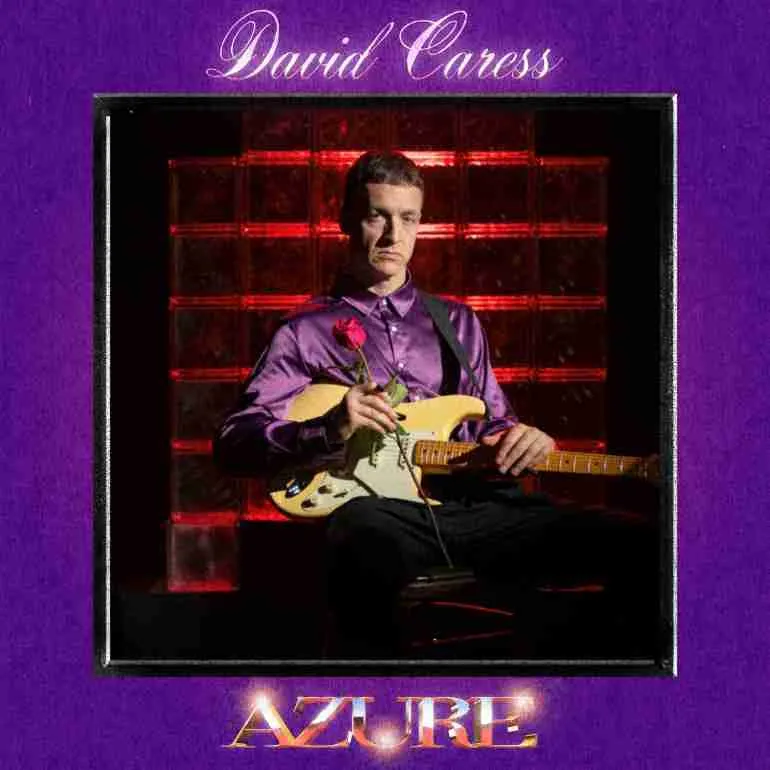

David Caress is a man seemingly out of time, occupying a musical space that draws from the crisp, glacial, slightly gothic tones of ’80s post-punk and electronic acts like Depeche Mode, New Order, and Soft Cell (and more modern proponents like Molchat Doma), with a certain air of detachment and quiet amusement on debut album Azure.
Actually, David Caress doesn’t exist—or at least not beyond the realms of this musical project.
See, David Caress is actually one Dallas Seger, long-time frontman of overdriven, metal-adjacent, rock three-piece Manic Abraxas and owner/luthier of custom-guitar business Seger Guitars.
But that’s all by the by because Azure bears no sonic comparison to the Motörhead/early Celtic Frost influences of the former, and doesn’t exhibit the kind of guitar exhibitionism that might be expected given its creator’s day job.
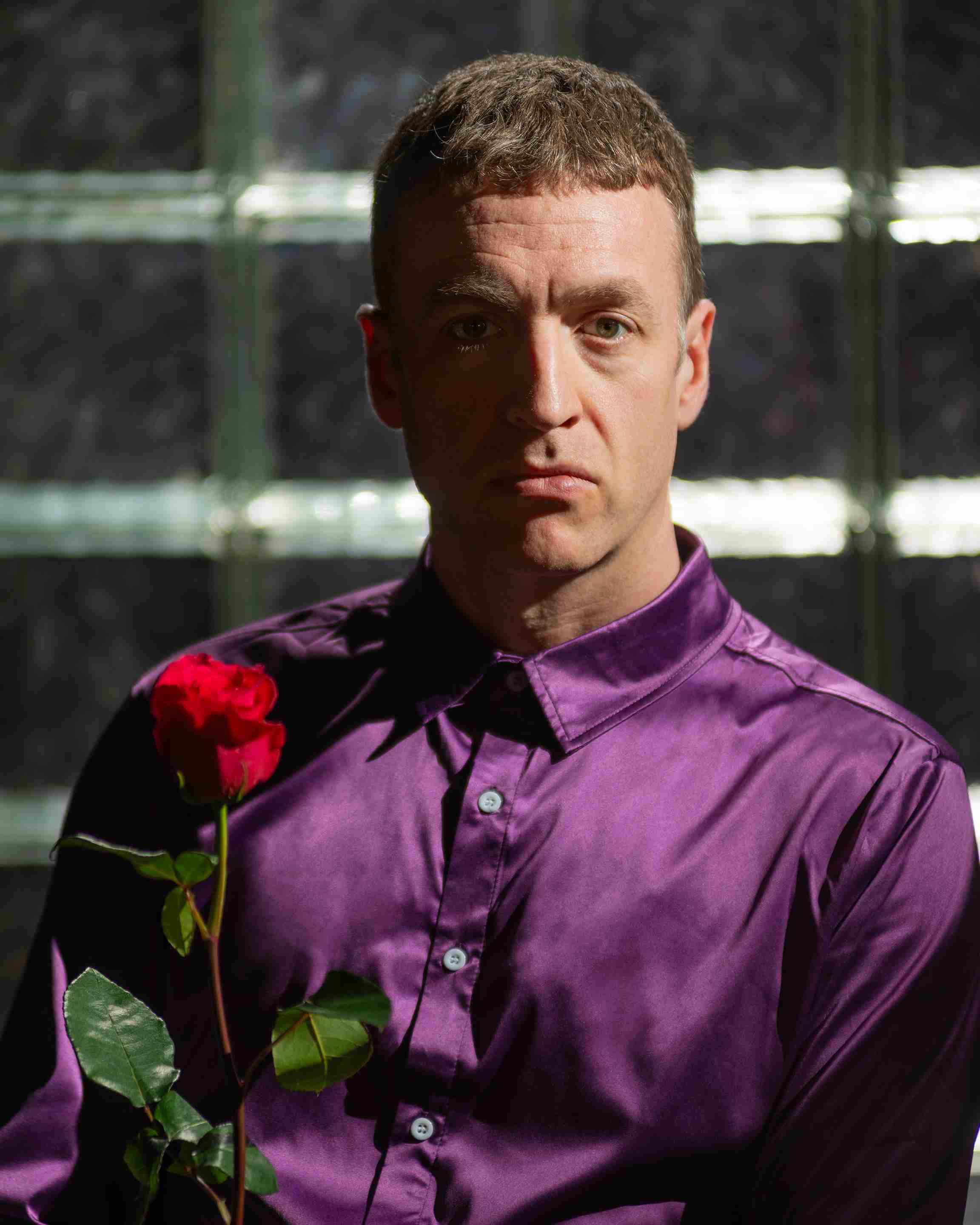
The album’s title-track opener sets the sonic tone with clean and clinical drums underpinning a melodic bass line, textural, shimmering guitar chords, various synths that evoke the title’s notion of a clear sky, and Seger’s croon through its center—his tone something like an understated Bryan Ferry (Seger would be the first to highlight his vocal limitations, but he knows how to make his voice fit the music).
Pleasant as the opener is, it’s the following track “Sunshower” that really gets the album going, the first of many examples of his fluid, engaging guitar lines. Though mid-album track “Summer’s Grip” is the only to feature some short bursts of ripping guitar leads, the album is filled with understated, but exquisite, guitar work (at times evoking Mark Knopfler as much as Johnny Marr).
Album highlight “Wildflowers” brings to mind the latter as the track hums along propulsively with the following track “Hold Ground” another notable instance of some sneakily effective guitar work, sitting quite comfortably in the midst of the more prominent bass, drums, and synth mix and Seger’s soothing tones as he sings about—Well actually, the lyrical concerns are fairly mysterious, though that oblique, ambiguous quality to the song’s lyrics certainly fit the otherworldly feel of the music.
For all of Seger’s guitar background, it’s mostly the synth lines and textures that direct the tone and melodies of the tracks, this sometimes highlighting his recently-found love of Depeche Mode. “I Confess” is perhaps the clearest example of this musical affinity, bringing to mind something from around the band’s mid-80’s Some Great Reward to Black Celebration era where their early, youthful energy started to take a darker turn.
Largely constructed by Seger over several months of collected sessions (with contributions from long-time collaborators like Justin Hamm and Tom Bennett) Azure was notably mastered by Steve Austin—the Austin Enterprise producer and Today Is The Day frontman helping accentuate the album’s beautiful, otherworldly tone.
Like its cool, seemingly amused, and somewhat aloof creator, Azure seems in no desperate need of your attention, but it’s well deserving of it all the same.
Photo courtesy of Michael Hallahan